Airconditioning
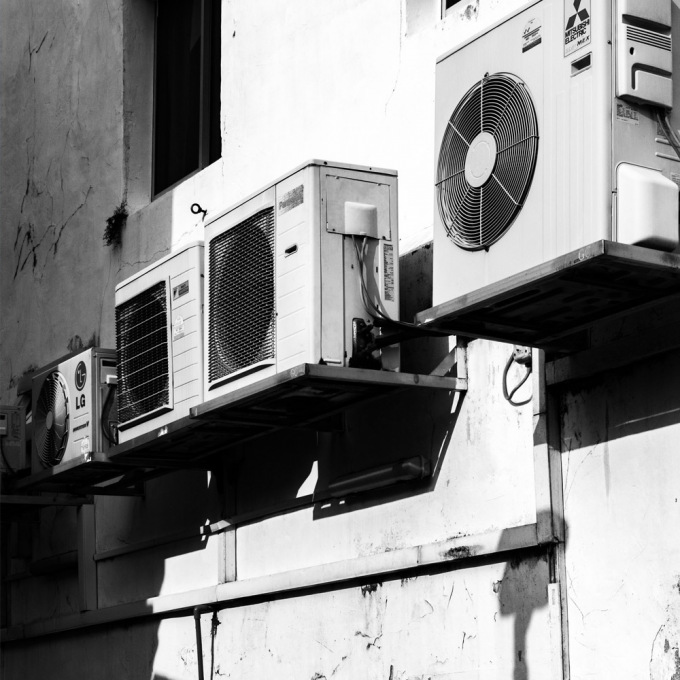
The efficiency of an air conditioning system is influenced by system size, energy ratings, installation quality, maintenance, airflow, thermostat settings, building insulation, and environmental conditions
1. System Size and Installation
Proper sizing of your air conditioner is critical; an oversized unit will short cycle, reducing efficiency and failing to control humidity, while an undersized unit operates continuously, increasing energy use and wear on components.
Professional installation ensures correct refrigerant charge, proper airflow, and optimal unit placement, all of which can impact efficiency by up to 30%
2. Energy Efficiency Ratings
AC units have performance metrics such as SEER (Seasonal Energy Efficiency Ratio) and EER (Energy Efficiency Ratio). Higher ratings indicate better conversion of electricity into cooling, with high-SEER units consuming less energy and achieving savings over the system's lifespan
3. Regular Maintenance
Efficiency declines when units are dirty, clogged, or poorly maintained. This includes dusty coils, clogged filters, and reduced refrigerant levels.
Evaporative Cooling
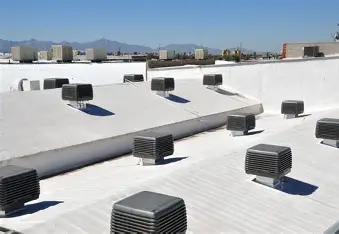
Evaporative cooling in industrial refrigeration systems is a heat removal technique where water evaporation is used to lower the temperature of the refrigerant or cooling water, enhancing system efficiency and reducing energy consumption.
Basic Principle
Evaporative cooling works on the natural principle that water absorbs heat when it evaporates, turning liquid water into vapor. In industrial refrigeration systems, this principle is used to cool the water or secondary fluids that circulate through heat exchangers, chillers, or condenser coils. As the warmer fluid comes into contact with water, a portion of the water evaporates, removing heat and reducing the fluid temperature.
Application in Industrial Refrigeration
Cooling Towers:
Industrial refrigeration systems often use cooling towers to dissipate heat from condensers or process equipment. Warm condenser water is pumped to the top of the tower and sprayed over fill media. As water droplets fall, a small fraction evaporates, absorbing heat from the remaining water, which then returns cooler to the system.
Ventalation & Extractions
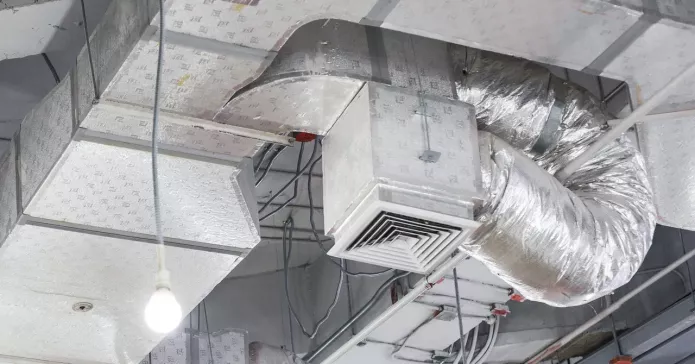
Proper ventilation and extraction in industrial refrigeration systems is essential to maintain optimal temperature, air quality, humidity control, and safe operation while improving energy efficiency.
Purpose of Ventilation and Extraction
In industrial refrigeration environments, ventilation systems are used to circulate fresh air, control temperature, remove excess humidity, and dilute contaminants, while extraction systems capture and remove unwanted heat, fumes, or pollutants generated by machinery or processes
datacalculus.com+1
. This dual approach is crucial for preventing equipment overheating, condensation on cold surfaces, and maintaining healthy working conditions
AF Fans+1
.
Key objectives include:
Temperature Control: Removing heat generated by refrigeration units, compressors, and other equipment prevents efficiency losses and prolongs component life
1
.
Humidity Management: Extraction helps prevent moisture buildup, reducing the risk of ice formation, corrosion, or product spoilage
Industrial Refridgeration
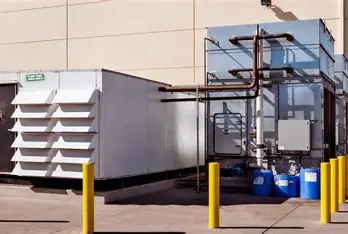
Industrial refrigeration systems are specialized cooling solutions designed for large-scale operations, providing temperature control for food, beverages, pharmaceuticals, and other industrial processes, with professional installation, maintenance, and repair services available throughout Gauteng.
Overview of Industrial Refrigeration Systems
Industrial refrigeration systems are crucial for operations that require precise and reliable temperature control. These systems typically include:
Cold Storage and Freezer Warehouses: Maintain low temperatures for long-term storage of perishable goods such as meat, seafood, and dairy.
Chiller Systems: Circulate chilled liquid for industrial processes, including chemical manufacturing and beverage production.

How to find us
Address:
Edenvale, Gauteng
Phone:
+27 (0) 82 667 4528
Email:
david@airconserv.co.za